
Best fit
Where this sample belongs
- Spring or summer memorials held outdoors
- Grandparent tribute videos with old photos
- A first-anniversary-of-loss family gathering
- Sharing with relatives who couldn't attend the funeral
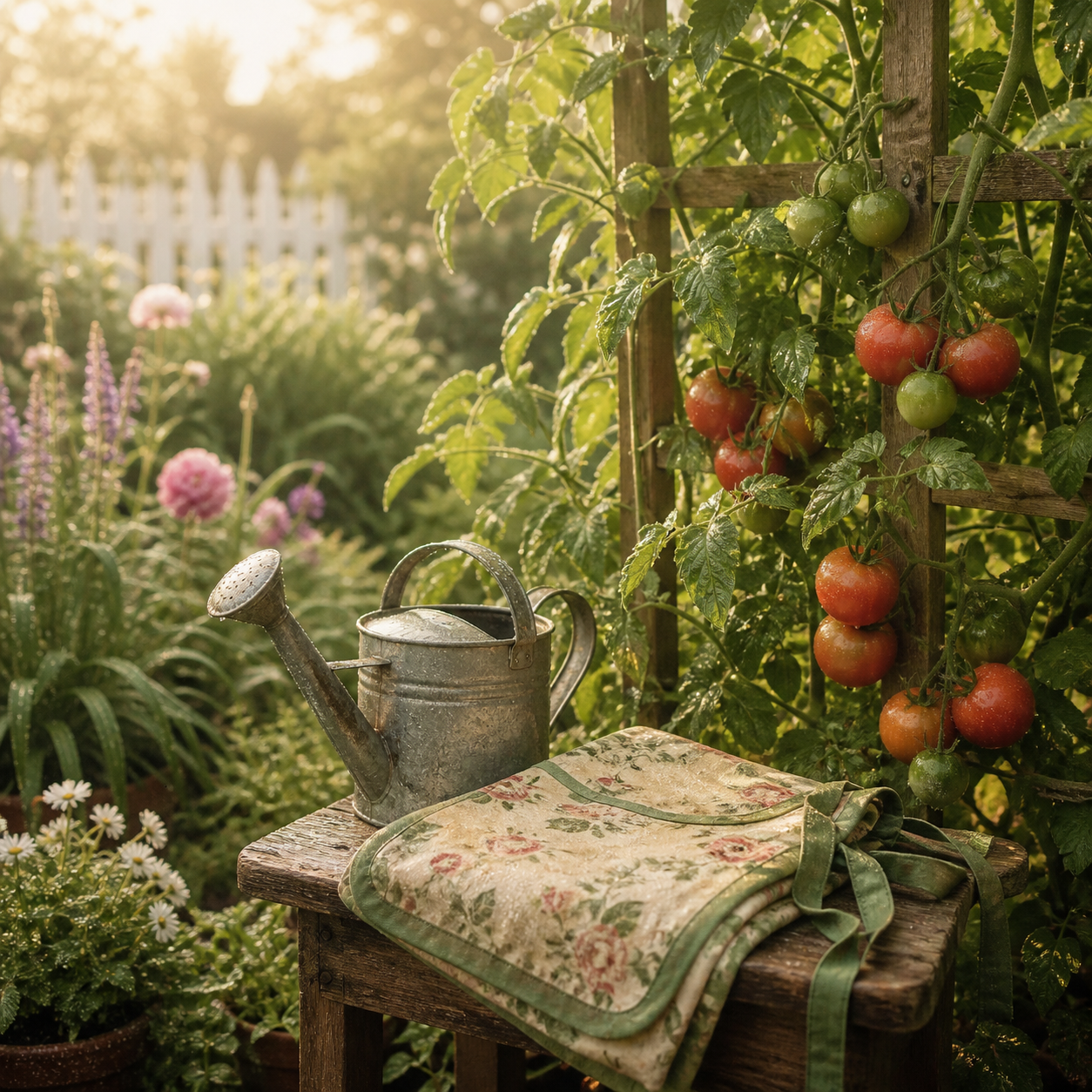
The Garden You Planted
0:00 / 0:00
spring grief soft and growing
The Garden You Planted is built for the memorial that isn't a funeral. It's the gathering months later, in the backyard, where the tomato vines came back without anyone planting them. Nylon guitar, cello, and a single harmony layer hold the room the way a quiet older relative might.
The lyric stays in concrete objects: an apron on a hook, a dog-eared dumpling recipe, a three-year-old humming a tune she shouldn't remember. That's the move this sample is making, and it's a useful reference for anyone who wants tribute without melodrama.
Slow enough to feel like remembering, fast enough that a child can sway to it. That balance is what keeps this sample from sliding into dirge territory.
Rosa's version uses an apron and a dumpling fold. The most moving memorial songs almost always start with one specific object the family can point to in the room.
The 'chicken and the broomstick' line is doing real work. A memorial song that includes one inside joke gives mourners permission to laugh, which is often what they came for.
“For the loved one whose recipes, garden, and small daily kindnesses keep showing up without them.”
Reveal idea
Play it once during the meal, before anyone makes a speech, with a printed lyric sheet at each place setting so people can follow along instead of being put on the spot.
Story angle
Most tribute songs corner you into stillness. This one chose the spring memorial instead of the funeral, the backyard instead of the chapel, and it makes room for laughter, kids, and the tomato vines that came back anyway.
Try this direction
Use The Garden You Planted as a reference for mood and pacing, then move through the guided flow with the recipient's name, occasion, genre, vocals, language, and the memories that should sit inside the song.
Create from this sampleBest fit
Sound
Song details
Tone
This sample doesn't try to wrap grief up. The harvest is here, but the gardener isn't. That tension is the whole point, and it's what lets the song be replayed at later anniversaries without feeling finished.
Arrangement
There's a real difference between a string quartet and chamber folk. This sample keeps the strings supportive, never soloistic. The guitar is always the lead instrument under the voice.
For your version
Memorial songs land harder when the guided details are specific. A handful of small, true things almost always works better than a sweeping biography written in past tense.
Compare a few nearby styles before you settle on the exact sound for your personalized song.

Mediterranean Folk-Pop
A warm family memory song set entirely in one grandmother's kitchen.
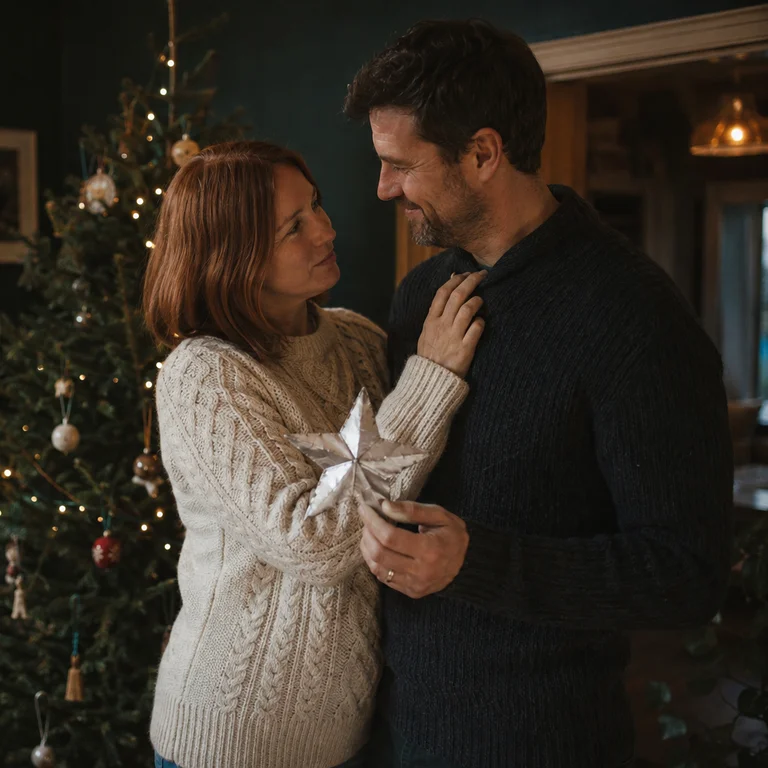
Orchestral Christmas Waltz
Their first paper star has outlasted three Christmas trees. This Christmas Eve, a husband wants a moment with his wife before they put it up.

Christmas Swing Pop
Every December, he plans their walk around the Christmas lights. She always asks for one more street, and he always takes her hand.
Use these linked pages to turn the sample you liked into the right story, recipient angle, and finished song direction.
Compare more genres and sample pages before choosing the final sonic direction.
Find pages for partners, siblings, grandparents, coworkers, teachers, kids, and close friends.
Use occasion-focused guides to shape the story, reveal, and tone behind the track.
Match this sound to birthdays, anniversaries, weddings, promotions, graduations, and more.