
Recipient guide
Song for Daughter
By Tony J.
A song for your daughter works well because it can hold both memory and hope in the same message. The strongest versions usually sound loving, proud, and personal without becoming generic or overpacked.
Hear a song for a daughter
A slow country waltz for the father-daughter dance. He sings what he remembers, then promises to leave a light on.
Night-Night, Little Bit
From her dad, for her wedding day
Tessa's dad is not much of a dancer. The waltz goes back to a second-grade daddy-daughter dance, when her light-up sneakers let him find her anywhere in the gym, and to driving lessons in his old stick-shift pickup. The chorus promises a light left on for her at home.
The detail it is built on: Jordan asked for his blessing while they changed the oil in his truck.
0:00 / 4:16
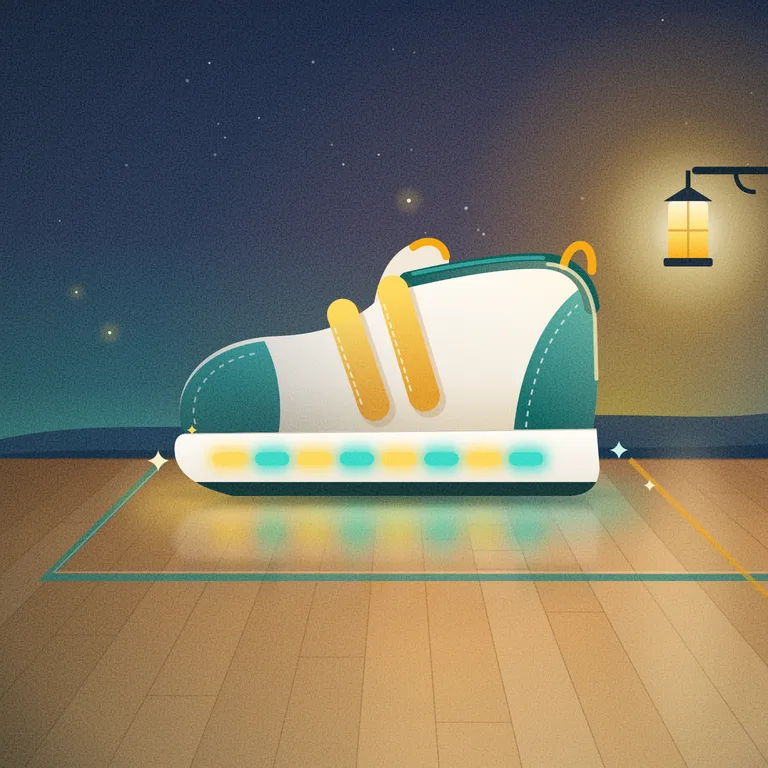
An original Songilingy example. The people and story in it are fictional. A sound you choose guides the music; your song uses your own story and lyrics.
What makes a song for daughter feel personal
A great song for your daughter usually balances pride, tenderness, and the specific qualities that make her feel unmistakably herself.
- Mention one childhood image and one present-day trait so the song spans growth.
- Name the qualities that make her herself, not just that you are proud of her.
- Use the song to leave her with a feeling, like confidence, safety, joy, or belief in herself.
- Choose whether the tone should feel playful, emotional, or encouraging before you start writing.
How to approach a song for daughter
Use this guide to shape the story, tone, memory selection, and emotional focus before you generate.
Why this type of song works
Songs for daughters often land because they capture growth. They can look backward at childhood moments, describe who she is now, and point forward toward the confidence, joy, or protection you want her to carry with her.
What to include in the lyrics
Use the memories, habits, strengths, and milestones that define her. This could be a specific age, a school moment, a family ritual, a phrase she says, or the personality traits that everyone recognizes instantly.
How to choose the right tone
You can make the song playful, deeply sentimental, celebratory, or encouraging depending on her age and the occasion. The best choice is the one that sounds like a message she would actually want to replay.
Good moments to use a song like this
These songs are strong for birthdays, graduations, milestone years, confidence boosts, dance recitals, family videos, and just-because messages from parents who want her to feel seen.
Personal touches that help
- Use concrete memories that immediately place the song in your shared history.
- If she is older, write with respect for who she is now, not only who she was as a child.
- Let the emotional center be clear: pride, gratitude, encouragement, or unconditional love.
Styles and genres to try
- Pop and acoustic styles work well for warm and replayable daughter songs.
- Indie or piano-led arrangements fit more reflective family tributes.
- Upbeat pop can work for birthday or graduation reveals.
- Soft cinematic production fits milestone moments and slideshow gifts.
A sample idea you can adapt
Use this inside the create flow, then replace the names, memories, and tone with the details that match your relationship.
Write a loving song for my daughter Emma. Mention the way she used to dance in the living room when she was little, how brave she has become as she has grown up, and the bright energy she brings into every room. Keep it warm, proud, and personal, with a chorus that makes her feel deeply loved and confident.Good ways to reveal or send it
- Play it during a birthday slideshow or graduation montage.
- Send it privately if the message should feel more intimate than public.
- Use it as part of a keepsake gift she can replay later on her own.
What to avoid
- Do not make the song only about childhood if the goal is to honor who she is now.
- Do not overload the lyrics with too many memories when a few stronger ones will land better.
- Do not choose a tone that sounds too childish if she is older and would want something more mature.
Frequently asked questions
These are the common questions people ask before making a personalized song for this relationship.
What should I include in a song for my daughter?
Use a mix of memories, present-day qualities, and the feeling you want her to carry forward after hearing the song.
Can a song for my daughter work for graduation too?
Yes. Graduation, birthdays, and milestone years are all strong fits because they naturally combine pride, memory, and future hope.
Should a song for my daughter be playful or emotional?
Either can work. The strongest option depends on her age, the occasion, and what kind of message she would actually want to replay.
Keep exploring
Use these related pages to move from recipient inspiration to a finished song.
Start in the create flow
Turn this recipient page into two personalized song previews and refine the final version.
See graduation song ideas
Jump into a closely related occasion or gift guide for more structure and wording ideas.
Browse all recipient pages
Compare relationship-specific pages before you choose the final emotional angle for the song.
See occasion-based guides
Layer the relationship page with birthdays, anniversaries, graduations, or other timely occasions.
Song for Son
A great song for your son usually blends pride, memory, encouragement, and the traits that make him distinctly himself.
Song for Sister
A strong song for your sister usually mixes shared history, humor, loyalty, and the details that make your sibling bond feel completely specific.
Song for Mom
The best song for mom usually centers on care, legacy, gratitude, and the everyday things she did that still shape how life feels now.